Home Upgrades for Wildfire Protection
Protect your home with proven wildfire mitigation upgrades designed to strengthen every layer of defense. Explore essential improvements for roofs, vents, gutters, siding, decks, windows, and defensible space to help reduce wildfire vulnerability.
Services
Build a Stronger Defense Against Wildfires
Every layer of protection plays an important role in reducing wildfire risks. Let our certified home hardening experts assess your property and create a customized protection plan using proven Class A fire-rated solutions.
Essential Home Hardening Upgrades
Discover the key improvements that help reduce wildfire risks while strengthening your home's overall resilience.
✔ Ember-resistant vent systems
✔ Class A roofing solutions
✔ Fire-resistant exterior siding
✔ Gutter protection systems
✔ Fire-rated protective coatings
✔ Defensible space improvements
✔ Deck and exterior upgrades
✔ Professional wildfire assessments
Common Questions
Frequently Asked Questions
What is home hardening?
Home hardening is the process of upgrading vulnerable areas of a home with fire-resistant materials and wildfire mitigation strategies to help reduce ignition risks.
Which home upgrades provide the greatest wildfire protection?
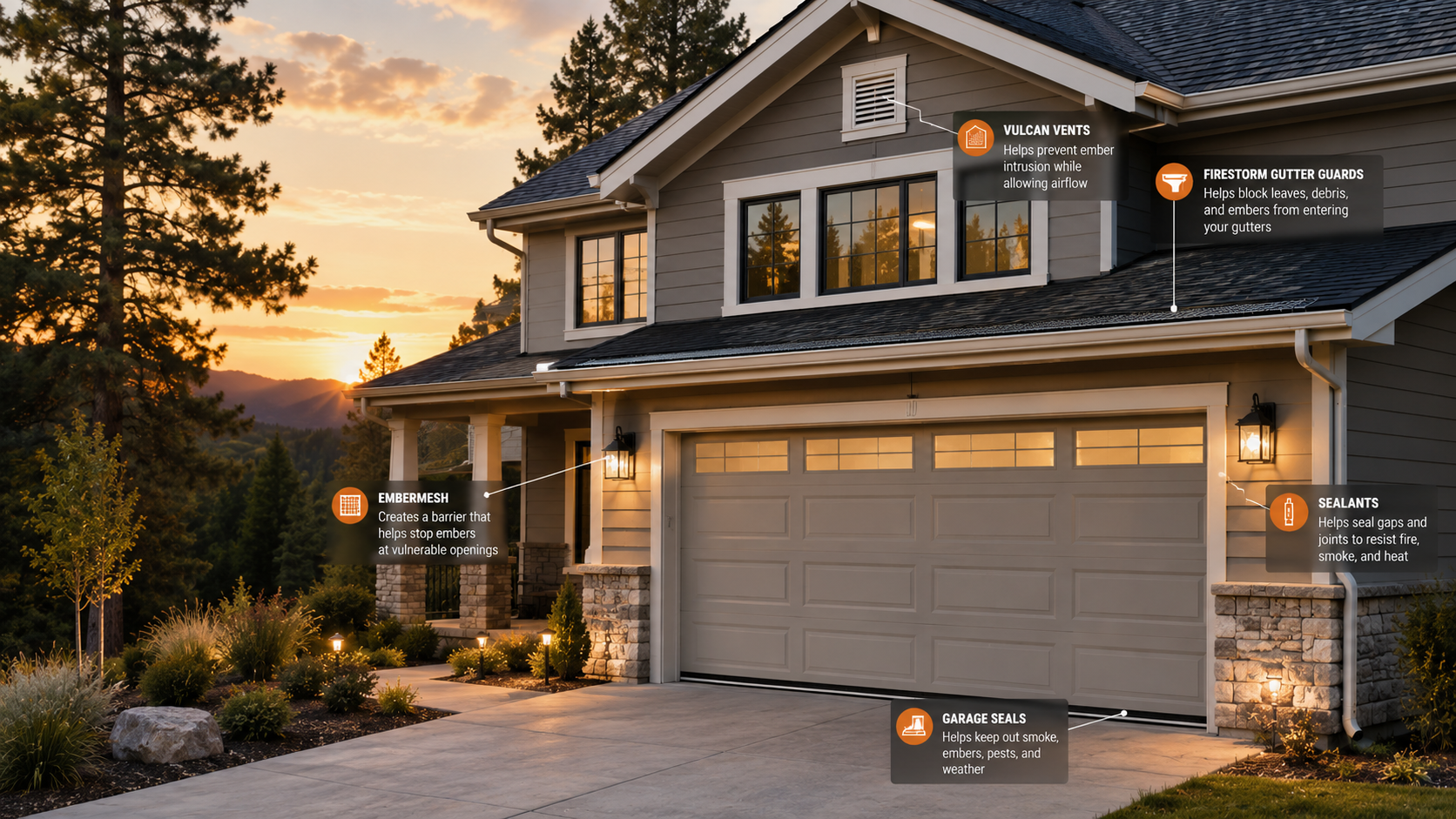
The most effective upgrades typically include ember-resistant vents, Class A roofing, fire-resistant siding, gutter protection, defensible space, and fire-rated coatings.
Do I need every home hardening upgrade?
Not necessarily. Our certified inspectors evaluate your property and recommend upgrades based on your home's construction, location, and wildfire exposure.
Can existing homes be upgraded?
Yes. Most homes can be retrofitted with wildfire-resistant products and improvements without requiring a complete rebuild.
How do I know which upgrades my home needs?
A professional wildfire assessment identifies vulnerable areas and provides personalized recommendations based on your property's unique risks.
Home Hardening
Explore Our Home Hardening Solutions
Every home is unique, but the goal is the same—reducing wildfire risks through proven upgrades. Explore the essential solutions that work together to strengthen your home's overall protection.
Vent Protection
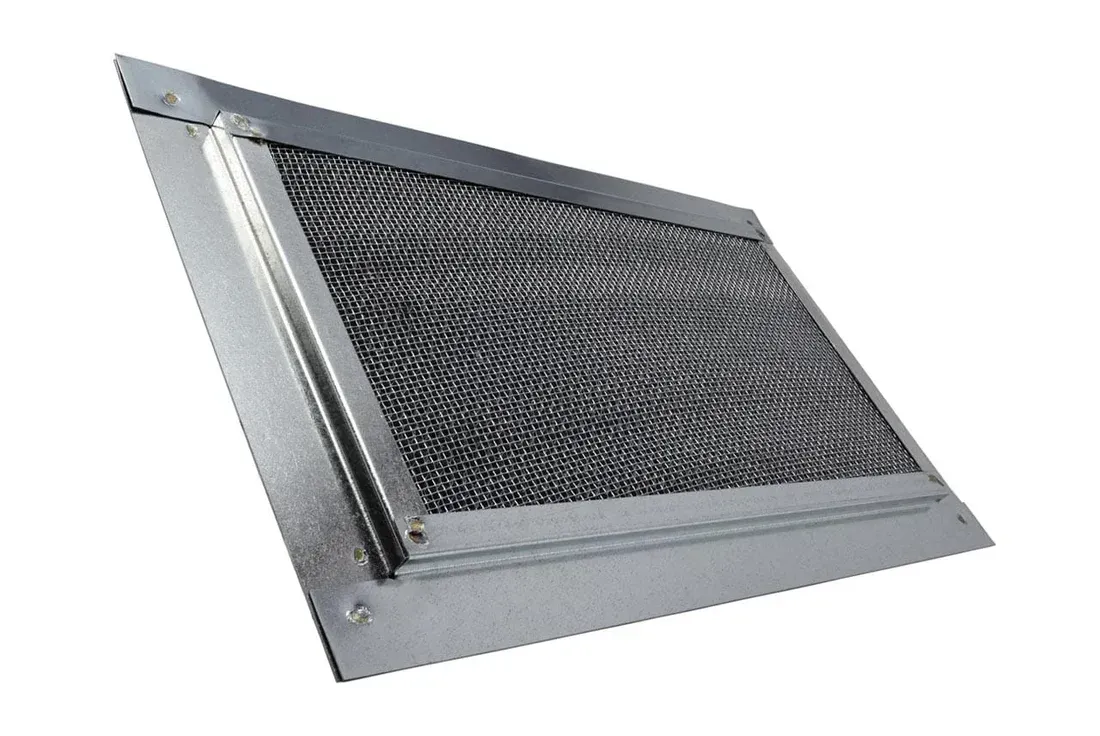
Install ember-resistant vents that help block embers while maintaining safe, continuous airflow.
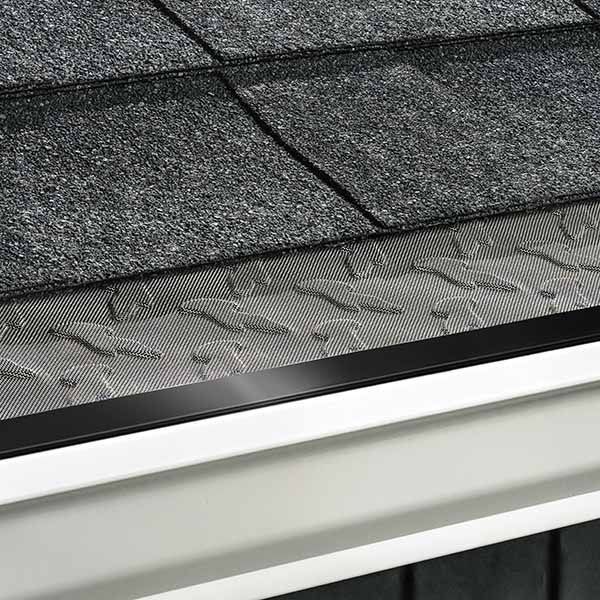
Gutter Protection
Install fire-compliant gutter guards that help reduce debris buildup and wildfire ignition risks.
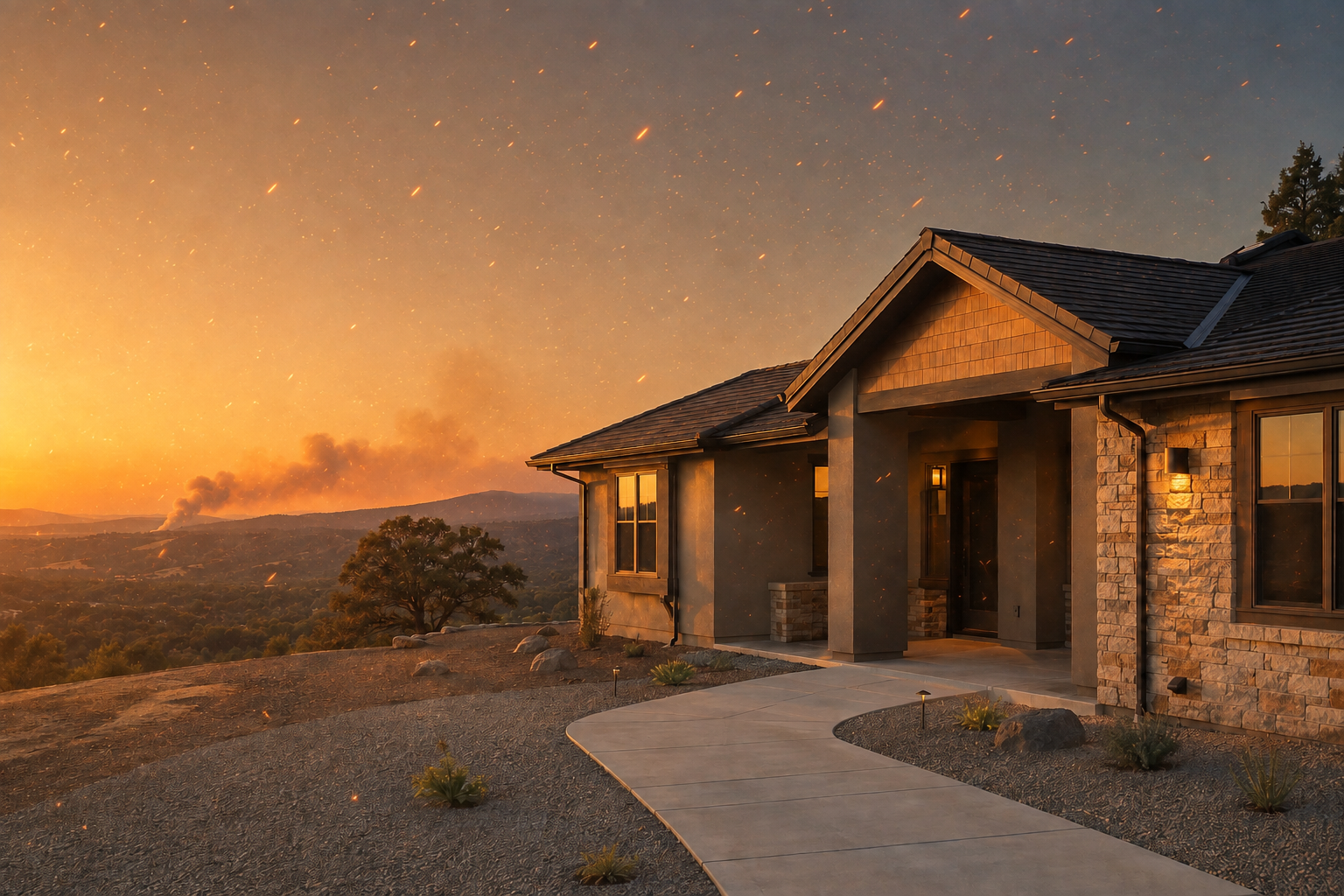
Exterior Siding
Upgrade to fire-resistant siding that helps strengthen your home's exterior against wildfire threats.
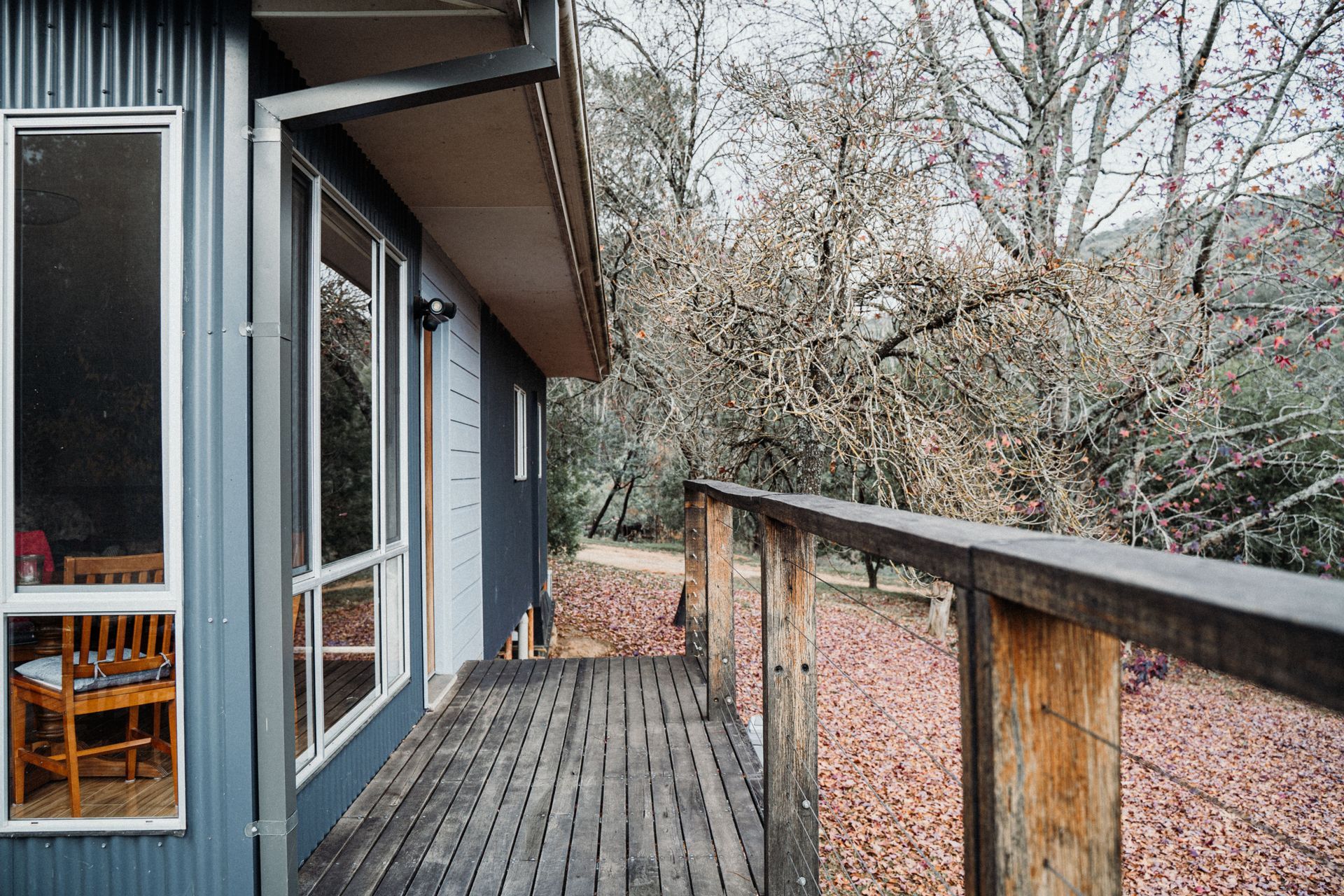
Deck Protection
Enhance outdoor living spaces with fire-resistant materials that help reduce ignition risks.
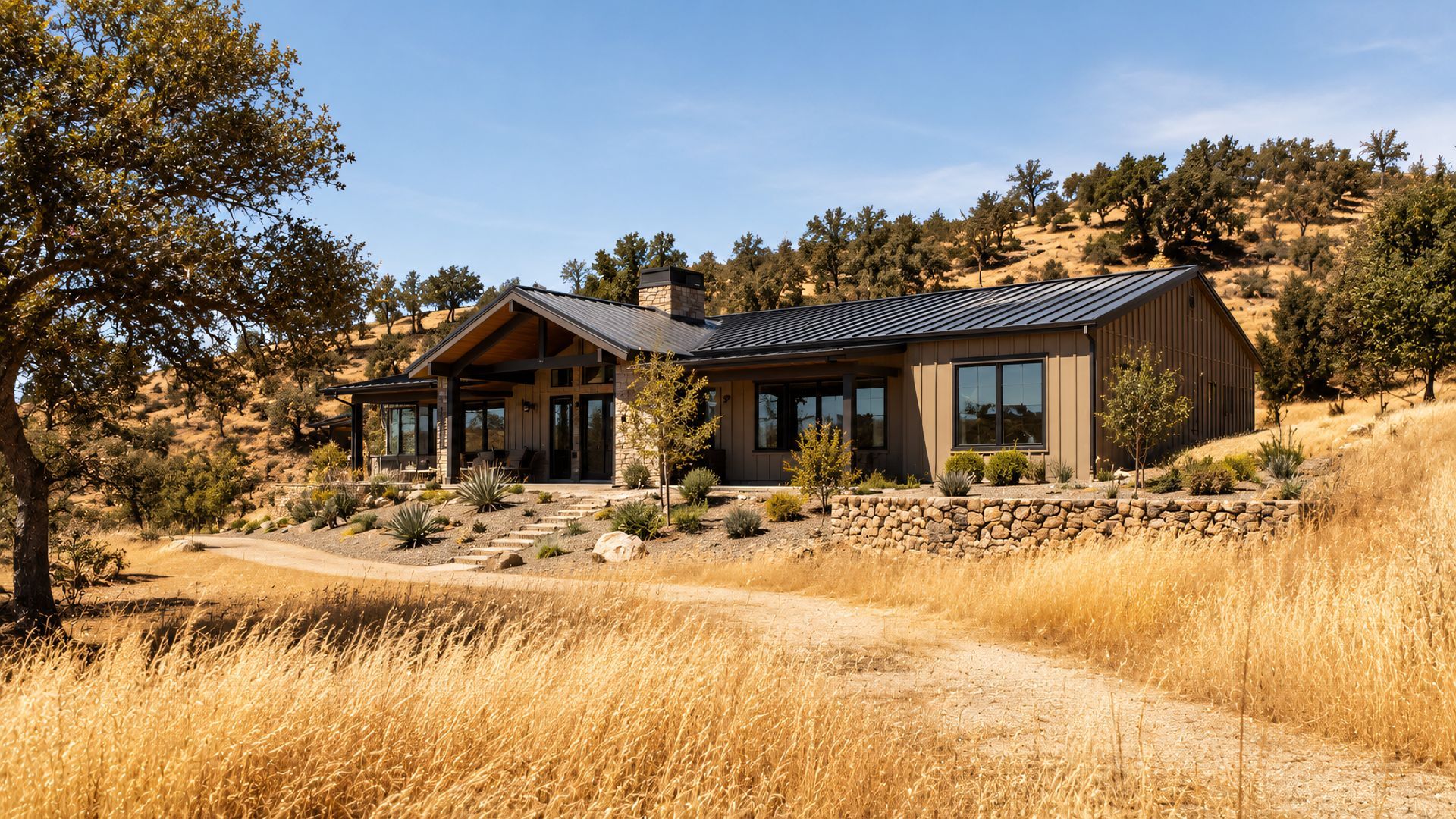
Defensible Space
Create protective zones by reducing combustible vegetation and improving property safety.
Strengthen Every Layer of Your Home
Wildfire resilience starts with the right upgrades. From ember-resistant building products to defensible landscaping, every improvement plays an important role in reducing ignition risks and protecting your home during wildfire season.
Certified Expertise
Certified home hardening inspectors providing trusted wildfire protection recommendations.
Layered Defense
Multiple home upgrades work together to strengthen your property's wildfire resilience.
Quality Products
We install proven, fire-resistant products from trusted industry-leading manufacturers.
Expert Installation
Every upgrade is professionally installed for lasting performance and dependable protection.
Some of our Products









Build a More Wildfire-Resilient Home
Every upgrade brings you one step closer to better wildfire protection. Let Embershield help you prioritize the right improvements with certified guidance, proven products, and professional installation.