
Create Your Wildfire Action Plan
Be ready before wildfire season begins with a practical action plan for your home and family. Learn how to prepare your property, organize essential documents, plan evacuation routes, and stay ready for changing wildfire conditions.
Services
Build a Stronger Defense Against Wildfires
Every layer of protection plays an important role in reducing wildfire risks. Let our certified home hardening experts assess your property and create a customized protection plan using proven Class A fire-rated solutions.
What's Included in Your Action Plan
A complete wildfire action plan helps you stay organized and prepared before an emergency occurs.
✔ Household evacuation planning
✔ Emergency contact information
✔ Home preparation checklist
✔ Important document storage
✔ Emergency supply checklist
✔ Pet and livestock planning
✔ Vehicle readiness tips
✔ Seasonal maintenance reminders

Common Questions
Frequently Asked Questions
Why do I need a wildfire action plan?
A wildfire action plan helps your family respond quickly during an emergency while reducing confusion and improving overall preparedness.
What should be included in an emergency kit?
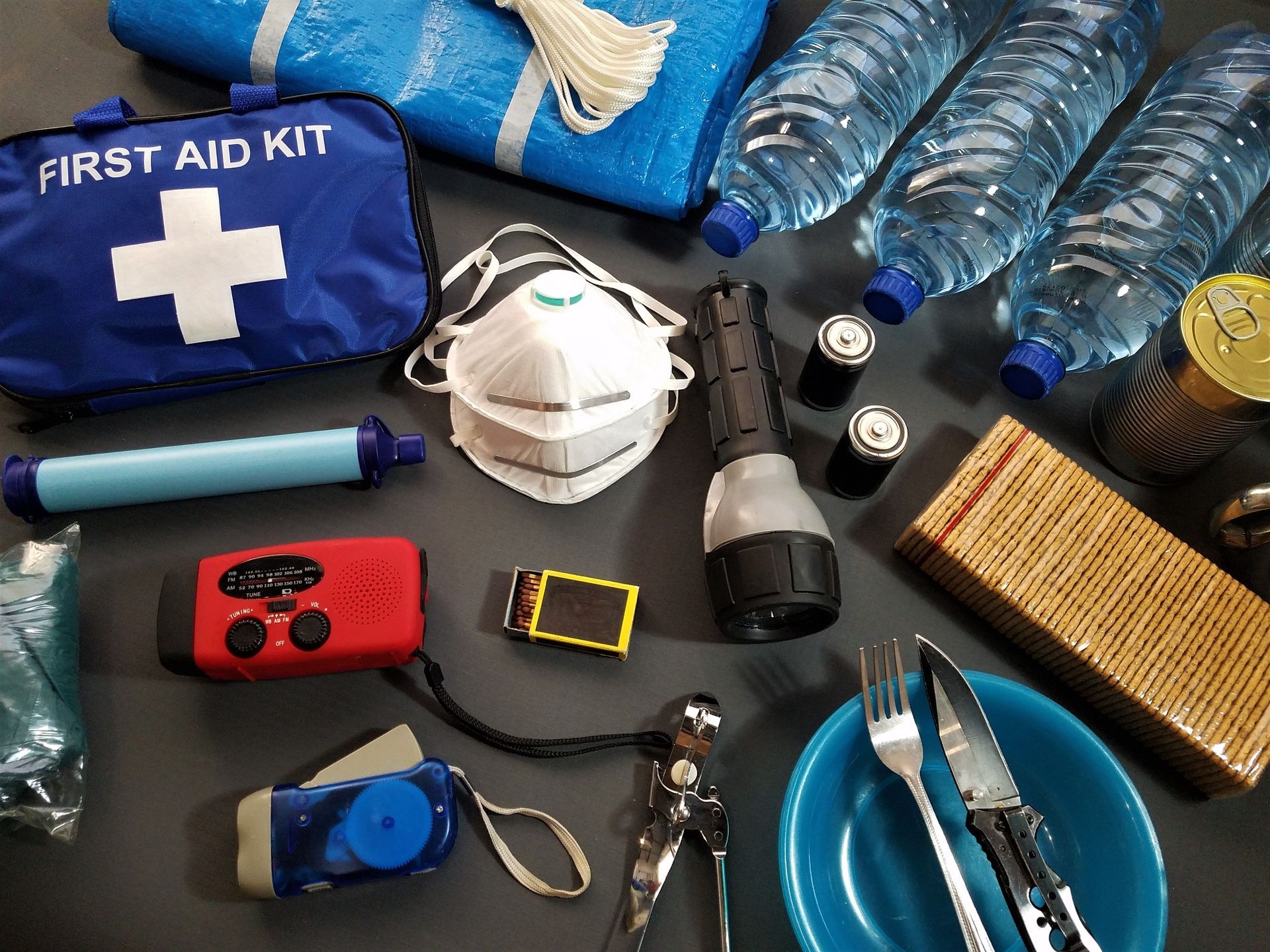
Include water, food, medications, flashlights, batteries, important documents, first-aid supplies, and other essentials needed for several days.
How often should I update my wildfire plan?
Review your plan at least once a year and update it whenever your household, contact information, or property changes.
Should I prepare my home before wildfire season?
Yes. Clearing combustible debris, maintaining defensible space, and completing home hardening upgrades can significantly reduce wildfire risks.
Can Embershield help prepare my home?
Absolutely. Our certified home hardening professionals provide property assessments and recommend wildfire protection upgrades tailored to your home.
Wildfire Ready
Key Steps to Wildfire Readiness
Protecting your home and family begins with preparation. Follow these essential steps to stay ready before wildfire season arrives.
Prepare Your Home
Reduce wildfire hazards by inspecting your property and completing recommended home maintenance.

Build an Emergency Kit
Gather essential supplies including food, water, medications, flashlights, and first-aid items.
Protect Important Records
Keep identification, insurance documents, and emergency contacts in a waterproof, portable location.

Plan Your Evacuation
Identify multiple evacuation routes and choose a safe meeting place for your household.

Stay Informed
Monitor local wildfire alerts, weather conditions, and emergency notifications throughout the season.

Review Every Year
Update your wildfire action plan and emergency supplies before each wildfire season begins.

Be Prepared Before Wildfire Strikes
Preparation can make all the difference during a wildfire emergency. A well-planned strategy helps protect your family, reduces confusion during evacuations, and ensures your home is better prepared before wildfire season arrives.
Emergency Planning
Create a clear household plan with evacuation routes and emergency meeting locations.
Property Readiness
Prepare your home by reducing wildfire hazards and completing essential maintenance tasks.
Important Documents
Store critical records and emergency contacts in a secure, easily accessible location.
Annual Preparation
Review your emergency plans and home preparations before every wildfire season begins.
Some of our Products









Protect Your Home Before It Matters Most
A wildfire action plan is only one part of staying prepared. Pair your emergency planning with a professional home hardening assessment to better protect your family, your home, and your property.